Faculty & Research

Our faculty pair rigorous research with real-world policymaking to solve public problems.

Our Faculty

Scholars and doers

Our faculty pair rigorous research with real-world policymaking and problem solving. Leading scholars and experienced practitioners work across disciplines to solve complex problems, testing ideas against evidence, challenging assumptions, and delivering results that matter.


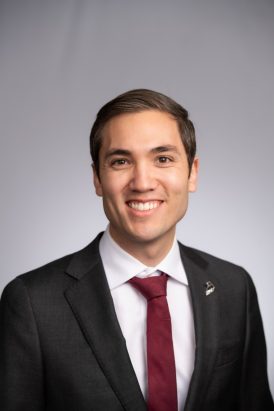
  1. Alex Mechanick

    Alex Mechanick

    Learn More
  2. Angela Hawken

    Angela Hawken

    Learn More
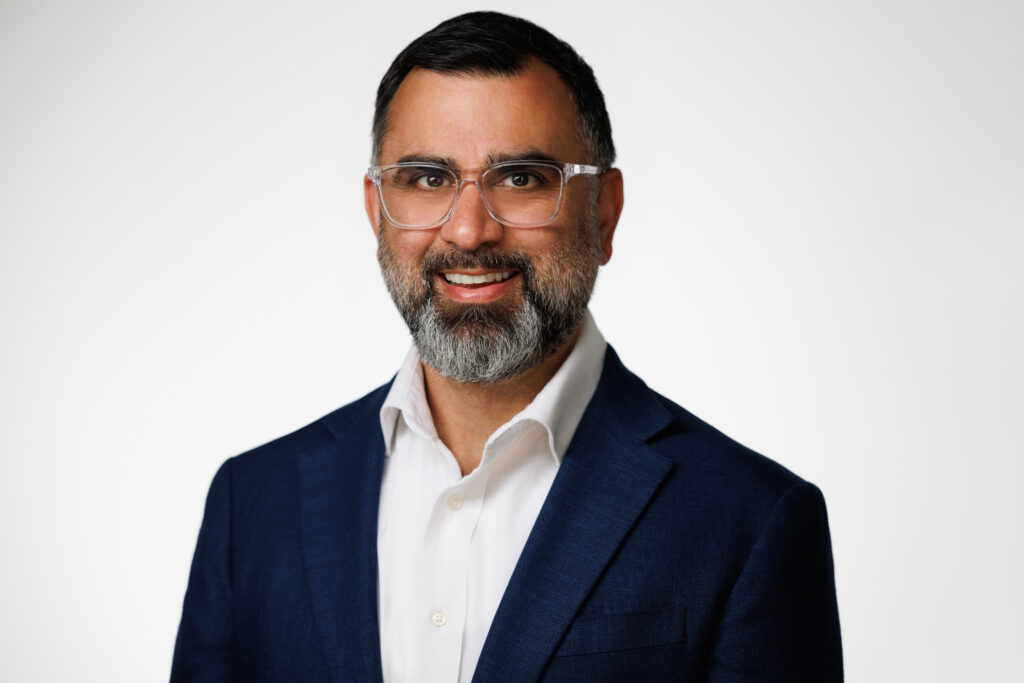
  3. Bhaven N. Sampat

    Bhaven N. Sampat

    Learn More
  4. Christian Fong

    Christian Fong

    Learn More
  5. Francesca Molinari

    Francesca Molinari

    Learn More
  6. Gillian K. Hadfield

    Gillian K. Hadfield

    Learn More
  7. Levon Barseghyan

    Levon Barseghyan

    Learn More
  8. Lindsey Currier

    Lindsey Currier

    Learn More
  9. Megan Kang

    Megan Kang

    Learn More
  10. Michael Clemens

    Michael Clemens

    Learn More
  11. Nathaniel Baum-Snow

    Nathaniel Baum-Snow

    Learn More
  12. Nicholas Caputo

    Nicholas Caputo

    Learn More
  13. Peter Arcidiacono

    Peter Arcidiacono

    Learn More
  14. Rebekah Jones

    Rebekah Jones

    Learn More
  15. Seth Lazar

    Seth Lazar

    Learn More
  16. Stefanie DeLuca

    Stefanie DeLuca

    Learn More
  17. Steven Teles

    Steven Teles

    Learn More
  18. William G. Howell

    William G. Howell

    Learn More
  19. Zoë Hitzig

    Zoë Hitzig

    Learn More
Our research

From observation to action

Our research combines analytical and empirical rigor with practical application, scrutinizing systems to underpin and build the structural integrity required for 21st-century governance.

  1. Anticipating the Consequences of Filibuster Reforms

    Anticipating the Consequences of Filibuster Reforms

    Added insights from models more precisely illustrate just what kind of balance between minority rights and majority rule the reform would strike, but in others, they show that the reform could backfire on members of the majority or on the reformers who want the Senate to spend less time wrangling with obstruction.

    Learn More
  2. Social cognition and interpersonal violence

    Social cognition and interpersonal violence

    Social cognitions could play an important role in violence and may be modifiable through intervention.

    Learn More
  3. Lost in Transition: How Trade Adjustment Assistance came up short (and where it succeeded)

    Lost in Transition: How Trade Adjustment Assistance came up short (and where it succeeded)

    By prioritizing robust reforms to our existing unemployment and workforce systems that benefit all workers — not just those who can prove that their jobs were eliminated due to AI — Congress can help the U.S. workforce retool without repeating the mistakes of TAA.

    Learn More
  4. Using LLMs to Enhance Democracy

    Using LLMs to Enhance Democracy

    While LLMs should be kept well clear of formal democratic decision-making processes, we think they can instead strengthen the informal public sphere—the arena that mediates between democratic governments and the polities that they serve, in which political communities seek information, form civic publics, and hold their leaders to account.

    Learn More
  5. Problem Solving Criminal Justice

    Problem Solving Criminal Justice

    The period of problem solving in criminal justice appears to be over, driven by increasing public concern about crime and repolarization in response to social movement activism.

    Learn More
  6. Engaging economics researchers to improve regulatory analysis

    Engaging economics researchers to improve regulatory analysis

    The report recommends that agencies continue to publicise research needs, find additional ways to break down barriers between researchers and analysts, and incentivise policy-informative research by highlighting when research is cited in agency analyses.

    Learn More