

About Us
A new kind of school.
Johns Hopkins’ first new academic division since 2007, the School of Government and Policy is anchored at the Hopkins Bloomberg Center in the nation’s capital. It draws on the university’s 150-year research tradition to develop innovative, evidence-based solutions for the policy and governance challenges that matter most.
Policy education, rebuilt.
Johns Hopkins treats policy design and implementation as the same job, rejecting the split that too often separates people writing policy from those responsible for making it work. Built from the ground up, with every course, faculty hire, and research agenda designed for governing today and beyond.
Artificial intelligence and data science are foundational, not add-ons. Theory and practice are taught together. Students, faculty and researchers work directly inside government systems, examining how policy is formulated, where it breaks down, and which reforms actually produce results.
Artificial intelligence and data science are foundational, not add-ons. Theory and practice are taught together. Students, faculty and researchers work directly inside government systems, examining how policy is formulated, where it breaks down, and which reforms actually produce results.
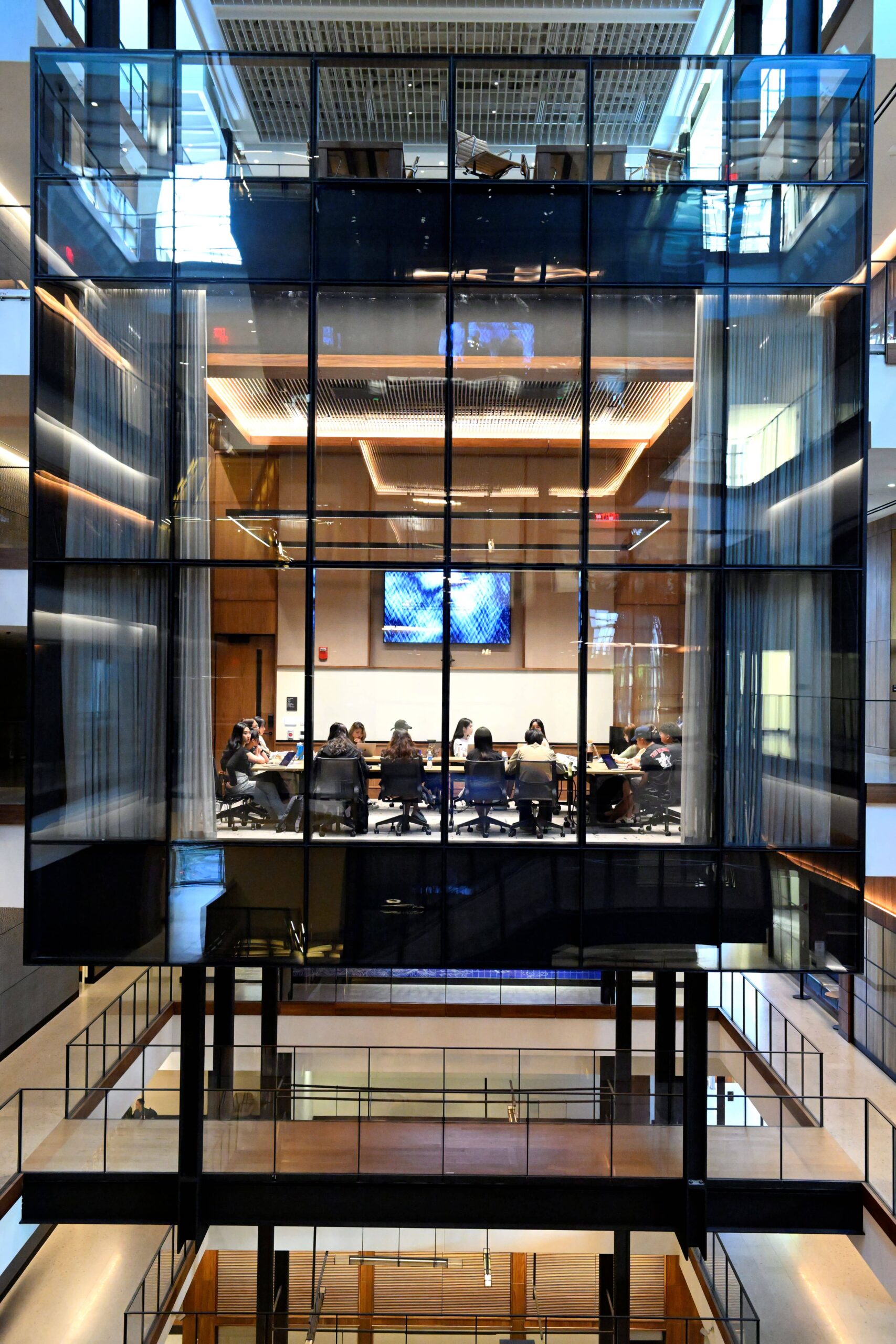
Building effective institutions.
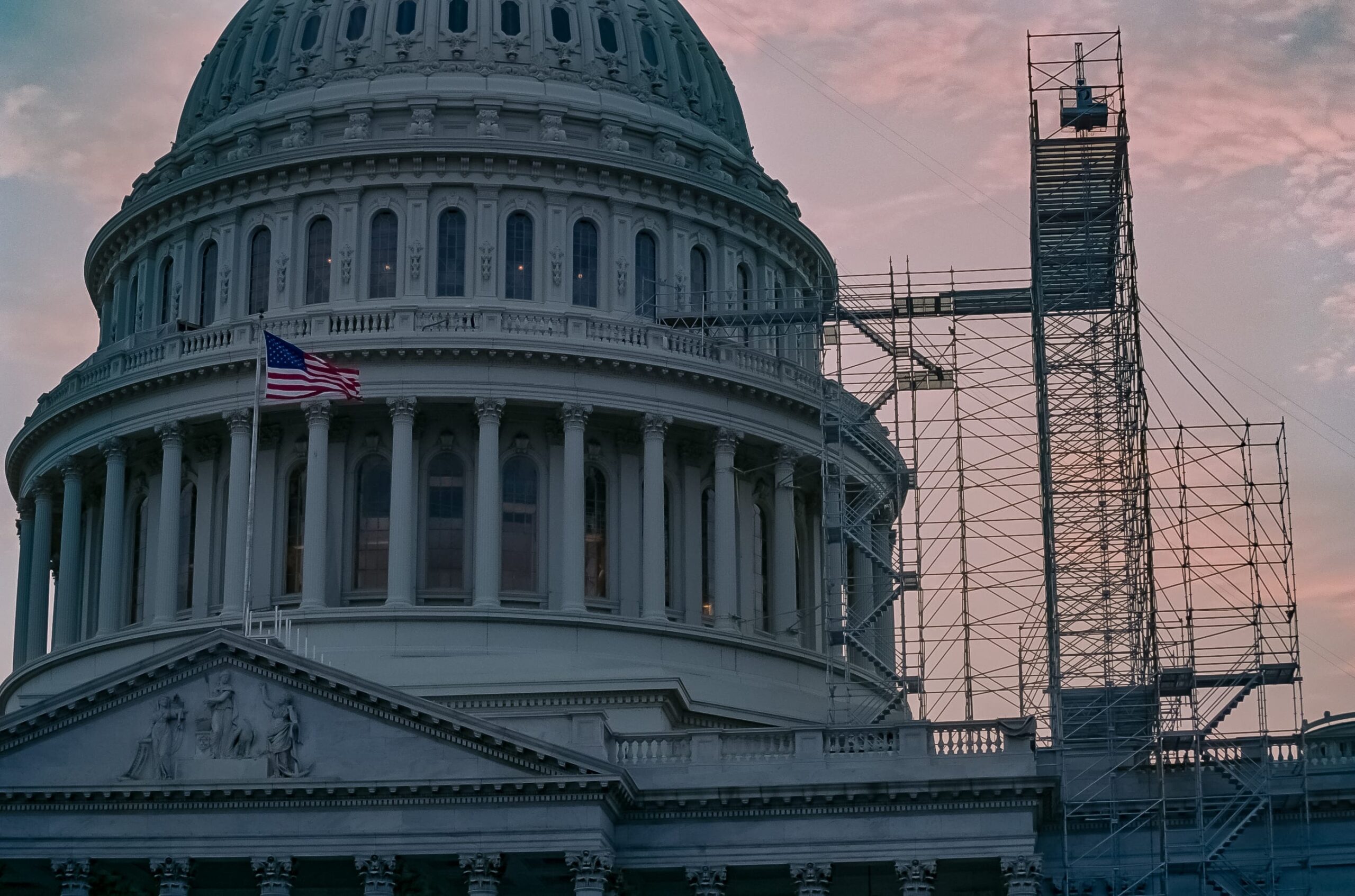
Our work doesn’t end in the classroom. The school sits in the heart of Washington, D.C., giving students and faculty direct access to Congress, the White House, and the federal agencies at the center of national policymaking.
Through our initiatives and three embedded Centers—the Bloomberg Center for Government Excellence, the Bloomberg Center for Public Innovation, and the Center for Opportunity and Wealth Data—faculty, students, and partners work inside cities and communities, putting research into practice and testing ideas against real problems.
The school puts the people working on governing’s hardest problems in the same room—policymakers, scholars, and practitioners from across disciplines and the ideological spectrum—and makes space for the kind of exchange that can produce solutions.
“At a time when public policy problems appear intractable and governments too often falter, this school offers a generational opportunity to build from first principles — advancing intellectual pluralism, forging partnerships for public impact, and applying analytic and empirical rigor to renew governing institutions for the 21st century.”
William G. Howell
Dean, School of Government & Policy

Intellectual Anchors
Our research and teaching focus on three areas of policy and governance.
Cities & Communities
Cities are where governing is felt most directly.
We examine how local policy shapes housing, transportation, schools, and public safety, and how organizational and institutional innovation drive better outcomes for the people who live there.
We examine how local policy shapes housing, transportation, schools, and public safety, and how organizational and institutional innovation drive better outcomes for the people who live there.
AI, Science, & Innovation
We are the first school of government and policy where AI is foundational, not an add-on.
Our faculty lead the scholarship on AI governance and the development of new regulatory frameworks. We prepare leaders to understand AI, manage its risks, and use it to strengthen democratic institutions and deliver impact.
Our faculty lead the scholarship on AI governance and the development of new regulatory frameworks. We prepare leaders to understand AI, manage its risks, and use it to strengthen democratic institutions and deliver impact.
Governance & Democracy
Policy fails without effective delivery.
We study governing institutions to understand and improve them. Our work covers public management, public administration, institutional design, federalism, and inter-branch relations. We examine the gap between what policy intends and what governments actually deliver, and we develop reforms intended to bridge the distance.
We study governing institutions to understand and improve them. Our work covers public management, public administration, institutional design, federalism, and inter-branch relations. We examine the gap between what policy intends and what governments actually deliver, and we develop reforms intended to bridge the distance.