Back To Our People

Bhaven N. Sampat

Professor, School of Government and Policy

Professor, Carey Business School

  • Hopkins Bloomberg Center
    555 Pennsylvania Ave NW
    Washington, DC
  • Faculty
  • Ph.D. Economics , Columbia University
  • M.Phil. Economics , Columbia University
  • M.A. Economics , Columbia University
  • B.A Economics , Columbia University

Bhaven N. Sampat is an economist focusing on the economics, law, history, and political economy of science and technology.

Bhaven N. Sampat is a Professor at Johns Hopkins University, with a joint appointment in the School of Government and Policy and the Carey Business School. He is also a Research Associate in the Productivity, Innovation, and Entrepreneurship Program at the National Bureau of Economic Research (NBER).

Sampat’s research examines how policies and institutions can promote scientific progress and shape innovation to address public problems.

His current work focuses on the economics and political economy of science funding; the history of NIH research policy; pharmaceutical patent policy, innovation, and competition; and measuring links between publicly funded science and patents, drugs, and other socioeconomic outcomes. Beyond policy for science, he is also interested in science for policy: how scientific evidence and expertise are used in public policymaking. Across these areas, he seeks to bring historical perspective and empirical evidence to bear on current and longstanding questions in science, innovation, and public policy. 

Sampat received his BA, MA, MPhil, and PhD, all in economics, from Columbia University, and completed a postdoctoral fellowship through the Robert Wood Johnson Foundation’s Scholars in Health Policy Research program at the University of Michigan. Prior to joining Johns Hopkins, he spent much of his academic career at Columbia University, where he was Assistant, Associate, and Full Professor in the Department of Health Policy and Management and also taught at Columbia’s School of International and Public Affairs. He has also held faculty appointments at Arizona State University and the Georgia Institute of Technology, as well as visiting positions at NYU Law School and NYU’s Wagner School of Public Service, among other institutions. He was a founding member of NBER’s Innovation Information Initiative (I3); co-leads an NBER network on assessing the U.S. medical innovation system; is an affiliated professor in the Abdul Latif Jameel Poverty Action Lab (J-PAL) Science for Progress Initiative; and serves on the Board of Reviewing Editors at Science.

  1. TRIPS, Pharmaceutical Patents, and Generic Competition in India

    TRIPS, Pharmaceutical Patents, and Generic Competition in India

    The 1995 Trade Related Intellectual Property Rights Agreement (TRIPS) increased the likelihood of strong patent protection in India, and drugs under the TRIPS regime face significantly less competition.

    02.01.2026

    Learn More
  2. Patents, innovation, and competition in pharmaceuticals: the Hatch-Waxman act after 40 years

    Patents, innovation, and competition in pharmaceuticals: the Hatch-Waxman act after 40 years

    Reviews the Hatch-Waxman Act’s origins and key features, and presents evidence on its effects on competition and innovation.

    04.01.2025

    Learn More
  3. Indirect Cost Recovery in US Innovation Policy: History, Evidence, and Avenues for Reform

    Indirect Cost Recovery in US Innovation Policy: History, Evidence, and Avenues for Reform

    Explains the history, objectives, and mechanics of ICR policy and assesses the incidence of proposed cuts to university indirect cost rates.

    03.01.2025

    Learn More
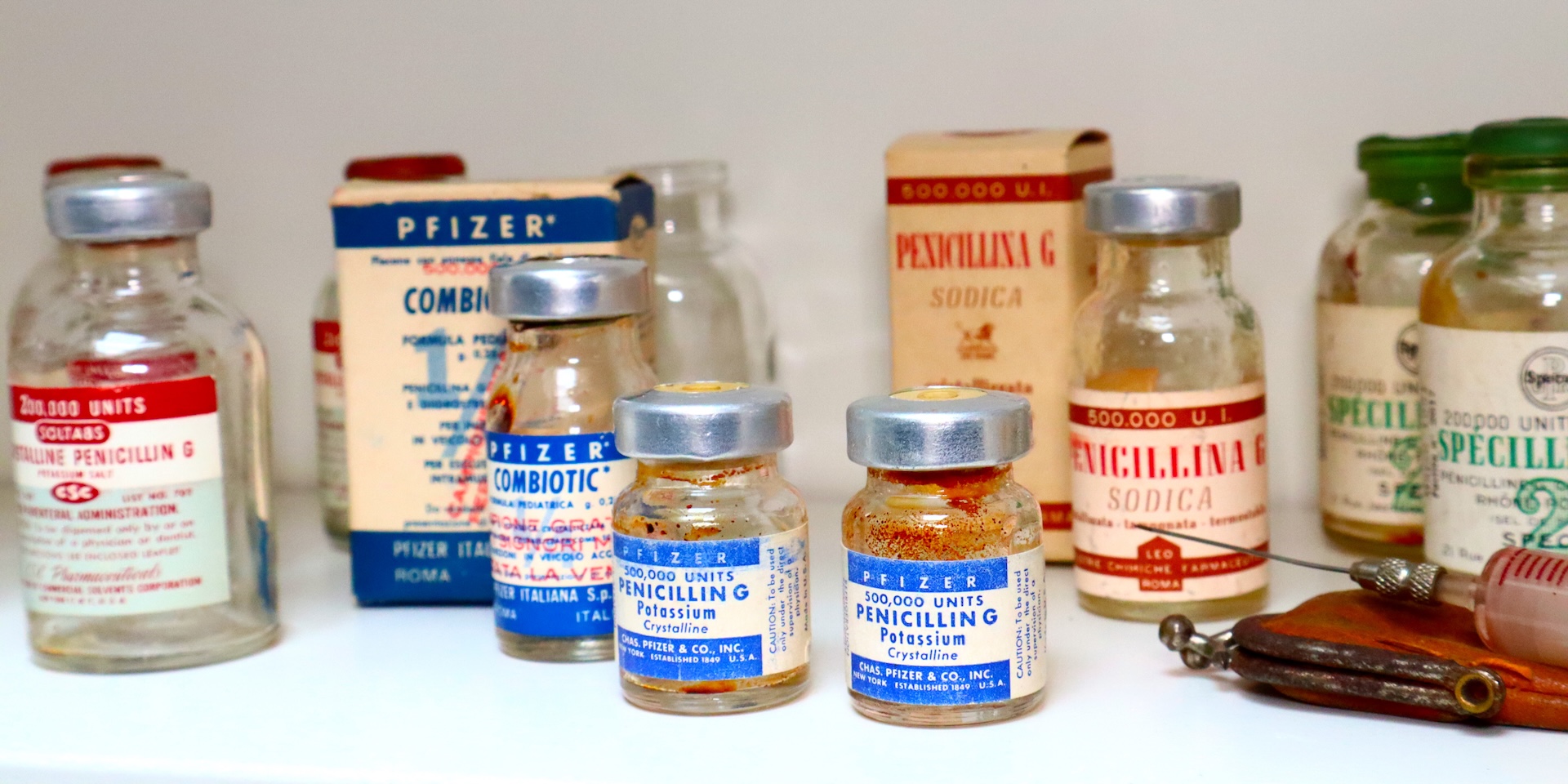
  4. The Therapeutic Consequences of the War: World War II and the 20th-Century Expansion of Biomedicine

    The Therapeutic Consequences of the War: World War II and the 20th-Century Expansion of Biomedicine

    Examines the role of the World War II medical reseach effort in helping create the modern biomedical innovation system.

    02.01.2025

    Learn More
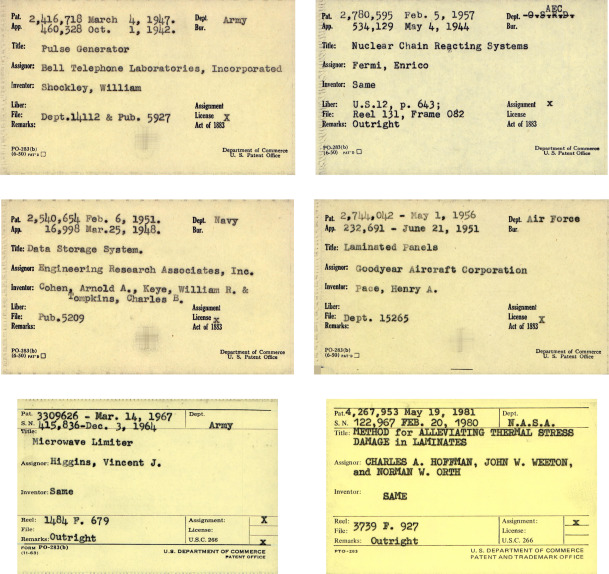
  5. The Government Patent Register: A new resource for measuring US government-funded patenting

    The Government Patent Register: A new resource for measuring US government-funded patenting

    Presenting a public, consolidated data series measuring U.S. government-funded patents — including funding agencies — through 2020.

    01.01.2025

    Learn More
  6. Using Bayh-Dole Act March-In Rights to Lower US Drug Prices

    Using Bayh-Dole Act March-In Rights to Lower US Drug Prices

    This cross-sectional study found that, although Bayh-Dole march-in rights could remove patent barriers to generic entry for a few drugs, their overall effect would be limited.

    11.01.2024

    Learn More
  7. America, Jump-Started: World War II R&D and the Takeoff of the US Innovation System

    America, Jump-Started: World War II R&D and the Takeoff of the US Innovation System

    The US government’s Office of Scientific Research and Development’s wartime research program catalyzed technology clusters across the country.

    12.01.2023

    Learn More
  8. The History and Political Economy of NIH Peer Review

    The History and Political Economy of NIH Peer Review

    The US government’s Office of Scientific Research and Development’s wartime research program catalyzed technology clusters across the country.

    05.01.2023

    Learn More