Faculty & Research

Our faculty pair rigorous research with real-world policymaking to solve public problems.
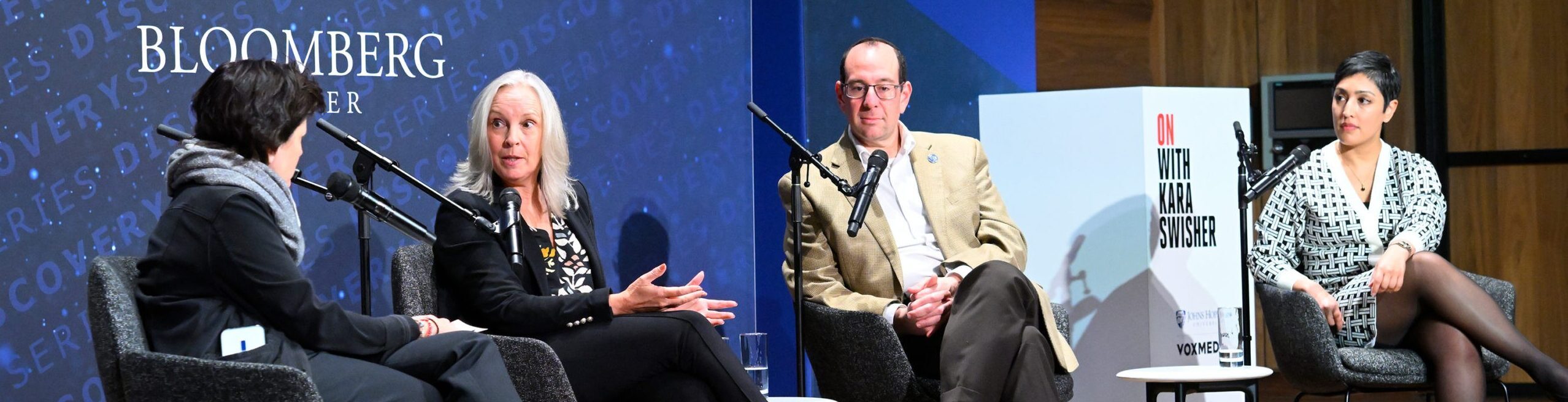
SGP Professor Gillian K. Hadfield speaking on a panel with other experts
Our Faculty

Scholars and doers

Our faculty pair rigorous research with real-world policymaking and problem solving. Leading scholars and experienced practitioners work across disciplines to solve complex problems, testing ideas against evidence, challenging assumptions, and delivering results that matter.

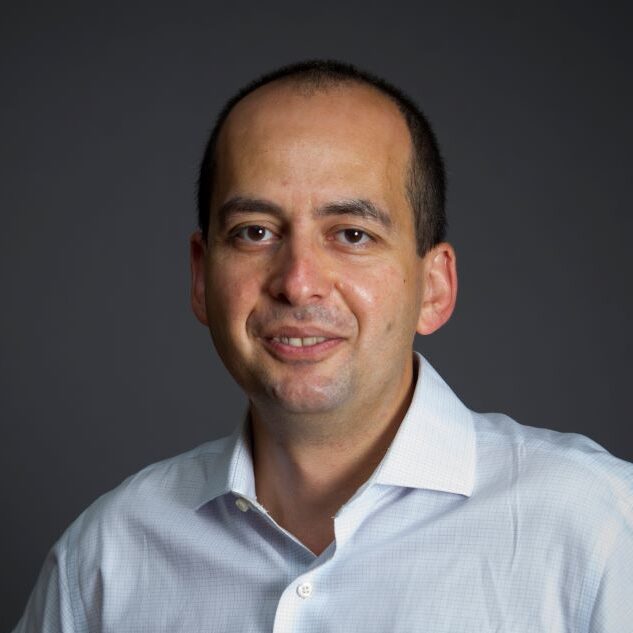
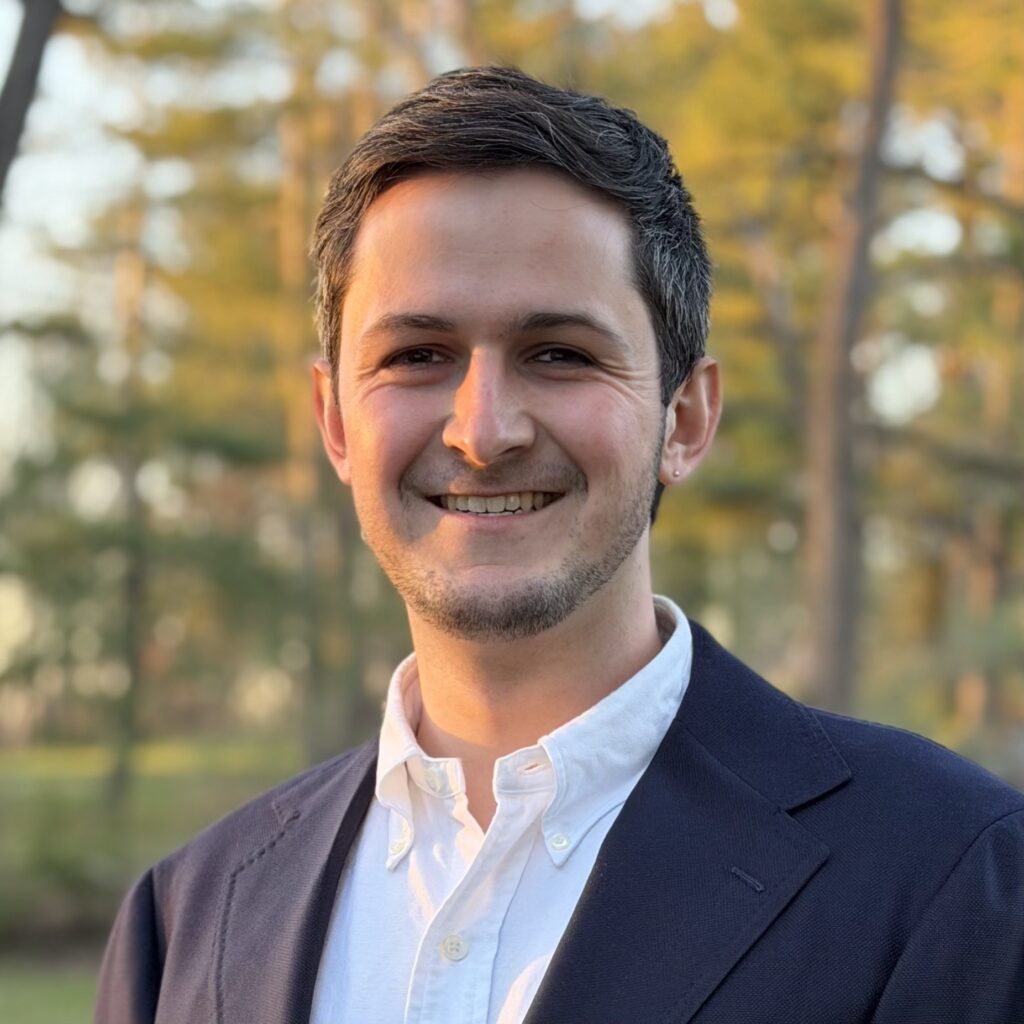
  1. Peter Arcidiacono

    Peter Arcidiacono

    Learn More
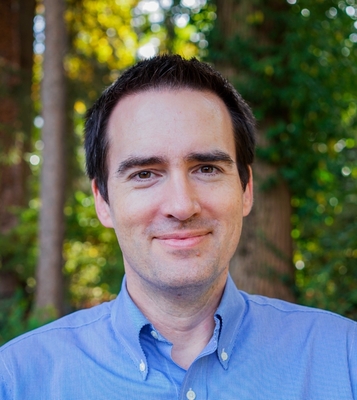
  2. Levon Barseghyan

    Levon Barseghyan

    Learn More
  3. Nathaniel Baum-Snow

    Nathaniel Baum-Snow

    Learn More
  4. Nicholas Caputo

    Nicholas Caputo

    Learn More
  5. Michael Clemens

    Michael Clemens

    Learn More
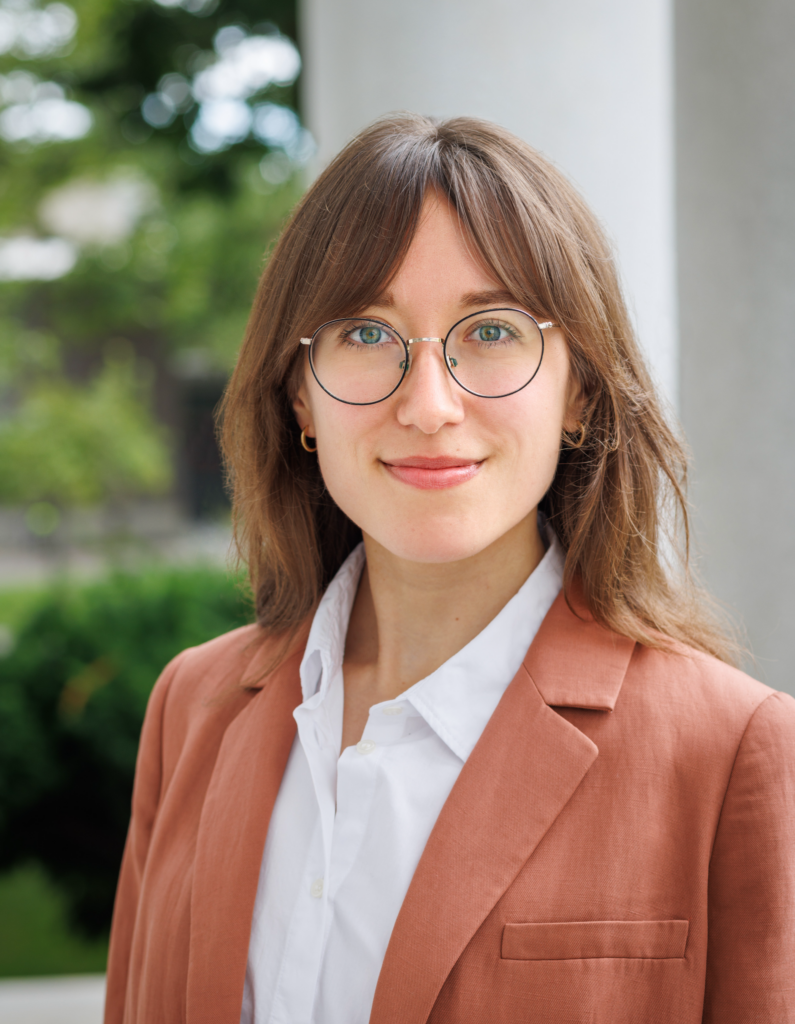
  6. Lindsey Currier

    Lindsey Currier

    Learn More
  7. Stefanie DeLuca

    Stefanie DeLuca

    Learn More
  8. Christian Fong

    Christian Fong

    Learn More
  9. Gillian K. Hadfield

    Gillian K. Hadfield

    Learn More
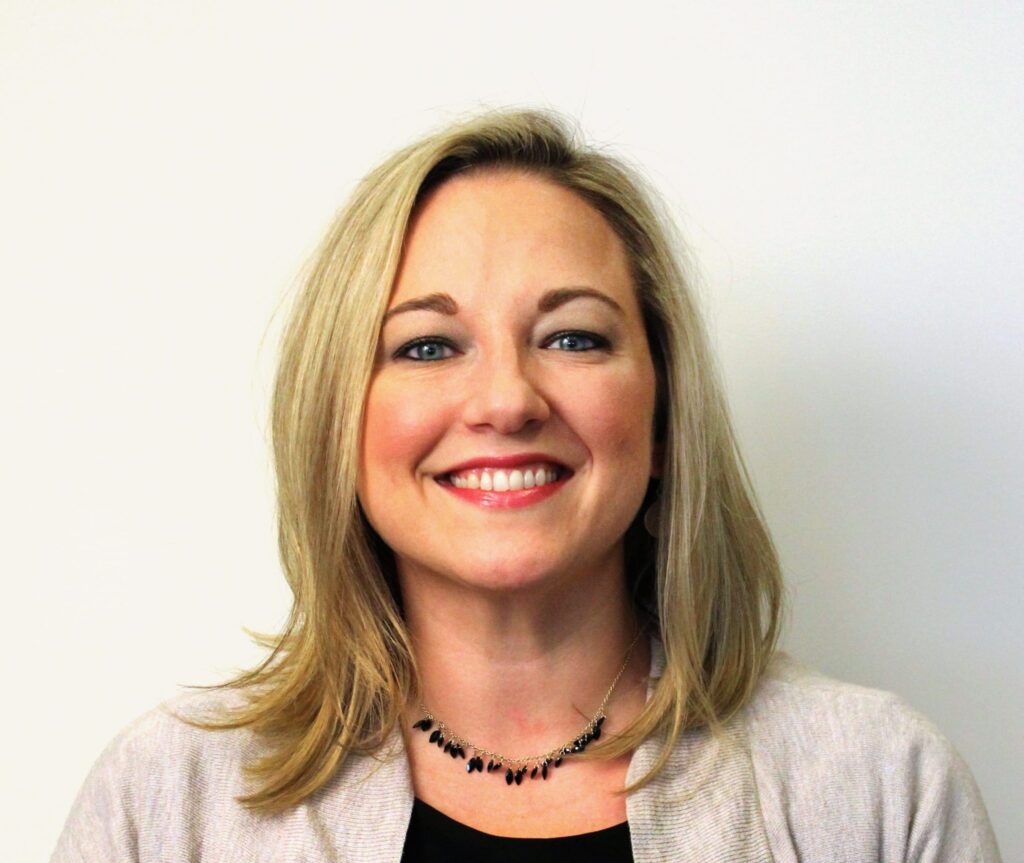
  10. Angela Hawken

    Angela Hawken

    Learn More
  11. Zoë Hitzig

    Zoë Hitzig

    Learn More
  12. William G. Howell

    William G. Howell

    Learn More
  13. Rebekah Jones

    Rebekah Jones

    Learn More
  14. Megan Kang

    Megan Kang

    Learn More
  15. Seth Lazar

    Seth Lazar

    Learn More
  16. Alex Mechanick

    Alex Mechanick

    Learn More
  17. Francesca Molinari

    Francesca Molinari

    Learn More
  18. Bhaven N. Sampat

    Bhaven N. Sampat

    Learn More
  19. Steven Teles

    Steven Teles

    Learn More
Our research

From observation to action

Our research combines analytical and empirical rigor with practical application, scrutinizing systems to underpin and build the structural integrity required for 21st-century governance.

  1. A Presidency Transformed, A Democracy in Danger 

    A Presidency Transformed, A Democracy in Danger 

    In this article, we want to provide a summary of our book’s core argument and draw out its implications for Trump’s second term as well as for the years after Trump leaves center stage.
    Learn More
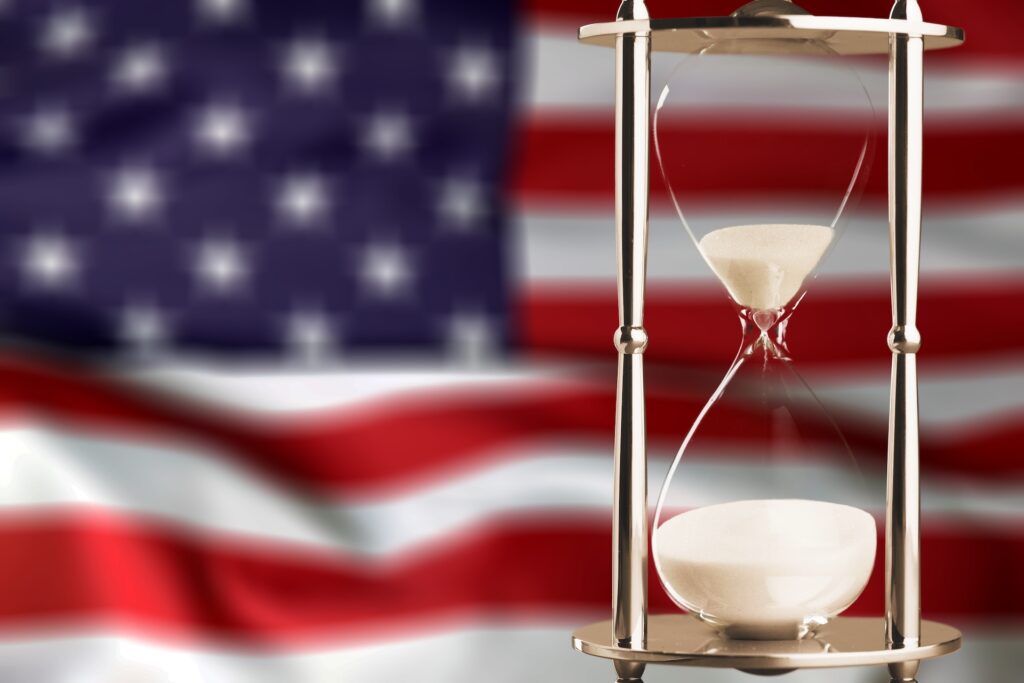
  2. Identification and Inference for Algorithmic Frontiers with Selective Labels

    Identification and Inference for Algorithmic Frontiers with Selective Labels

    We obtain point identification and propose a debiased machine learning estimator, derive its asymptotic distribution, and show how this can be used to carry out inference for the FA-frontier.
    Learn More
  3. Anticipating the Consequences of Filibuster Reforms

    Anticipating the Consequences of Filibuster Reforms

    Added insights from models more precisely illustrate just what kind of balance between minority rights and majority rule the reform would strike, but in others, they show that the reform could backfire on members of the majority or on the reformers who want the Senate to spend less time wrangling with obstruction.

    Learn More
  4. Open Data Index for Schools (ODIS)

    A first-of-its-kind national research resource that links nearly 23,000 U.S. public high schools to the economic, educational, health, housing, and crime conditions of the communities they serve.

    Learn More
  5. Social cognition and interpersonal violence

    Social cognition and interpersonal violence

    Social cognitions could play an important role in violence and may be modifiable through intervention.

    Learn More
  6. Lost in Transition: How Trade Adjustment Assistance came up short (and where it succeeded)

    Lost in Transition: How Trade Adjustment Assistance came up short (and where it succeeded)

    By prioritizing robust reforms to our existing unemployment and workforce systems that benefit all workers — not just those who can prove that their jobs were eliminated due to AI — Congress can help the U.S. workforce retool without repeating the mistakes of TAA.

    Learn More