We apply our framework to re-evaluate algorithms used in hospital care management and show that our approach yields alternative algorithms that lie on the fairness-accuracy frontier, offering improvements along both dimensions.

Johns Hopkins UniversityEst. 1876
America’s First Research University

We apply our framework to re-evaluate algorithms used in hospital care management and show that our approach yields alternative algorithms that lie on the fairness-accuracy frontier, offering improvements along both dimensions.

Partial identification through minimal assumptions grounded in economic theory robustly bridges fully structural and model-free methods.

Reviews the Hatch-Waxman Act’s origins and key features, and presents evidence on its effects on competition and innovation.

Explains the history, objectives, and mechanics of ICR policy and assesses the incidence of proposed cuts to university indirect cost rates.
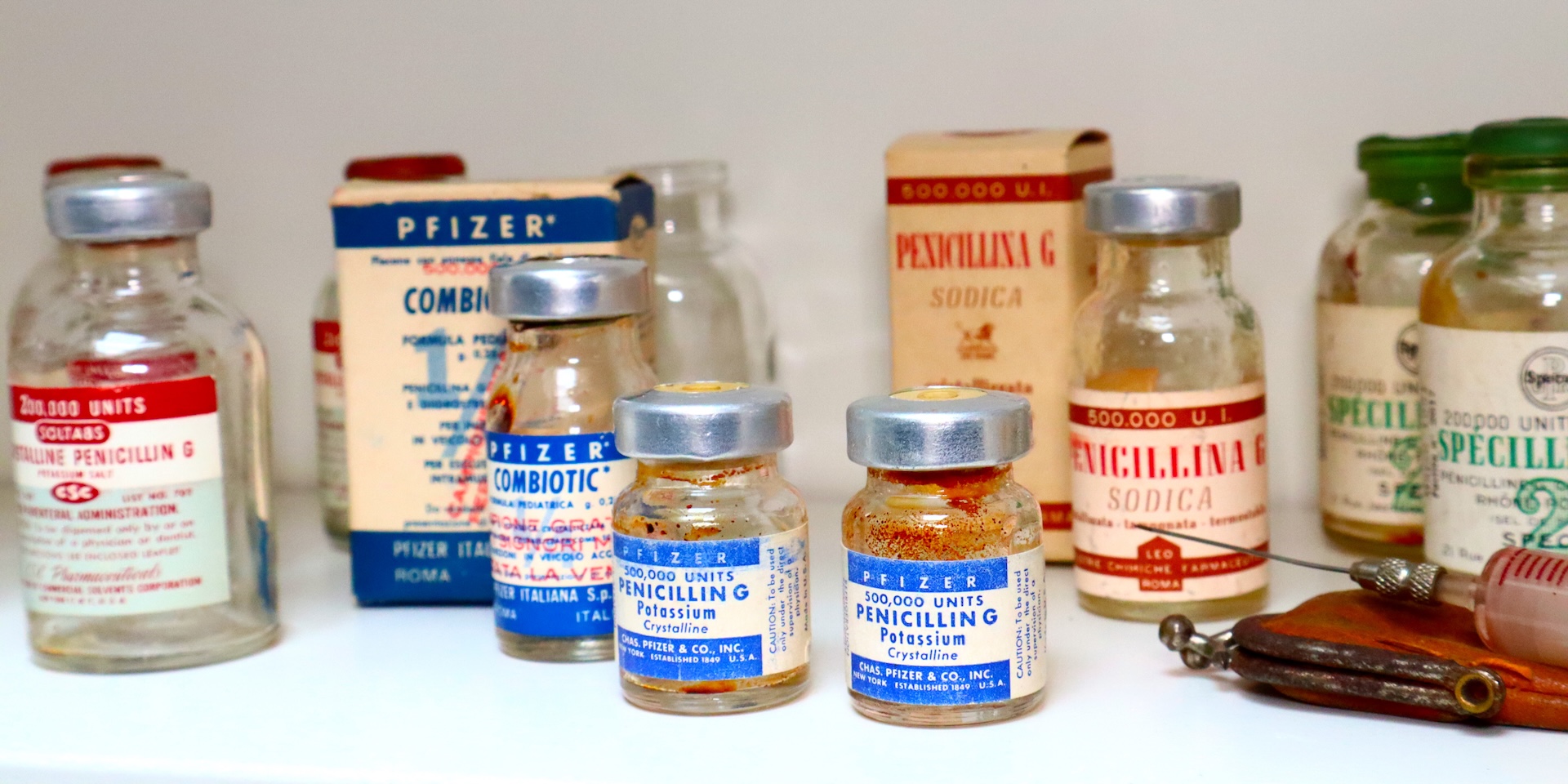
Examines the role of the World War II medical reseach effort in helping create the modern biomedical innovation system.

Algorithmic governing power should not simply be eliminated but can be properly exercised—provided it aims at substantively justified ends and is used according to legitimate procedures by those with authority to do so.
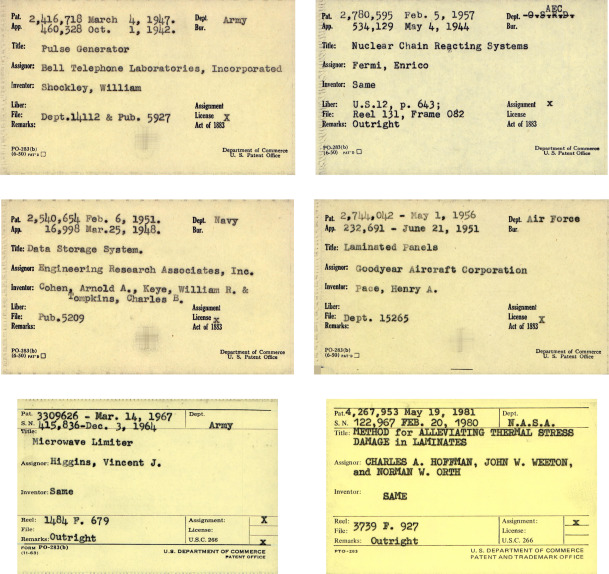
Presenting a public, consolidated data series measuring U.S. government-funded patents — including funding agencies — through 2020.

This cross-sectional study found that, although Bayh-Dole march-in rights could remove patent barriers to generic entry for a few drugs, their overall effect would be limited.

This paper proposes an information-based inference method for partially identified parameters in incomplete models that is valid both when the model is correctly specified and when it is misspecified.

The US government’s Office of Scientific Research and Development’s wartime research program catalyzed technology clusters across the country.