A particular maximally contextually private protocol for k-item Vickrey auctions — the ascending-join protocol — and show that it achieves maximal contextual privacy by delaying queries to bidders whose privacy it protects.

Johns Hopkins UniversityEst. 1876
America’s First Research University

A particular maximally contextually private protocol for k-item Vickrey auctions — the ascending-join protocol — and show that it achieves maximal contextual privacy by delaying queries to bidders whose privacy it protects.
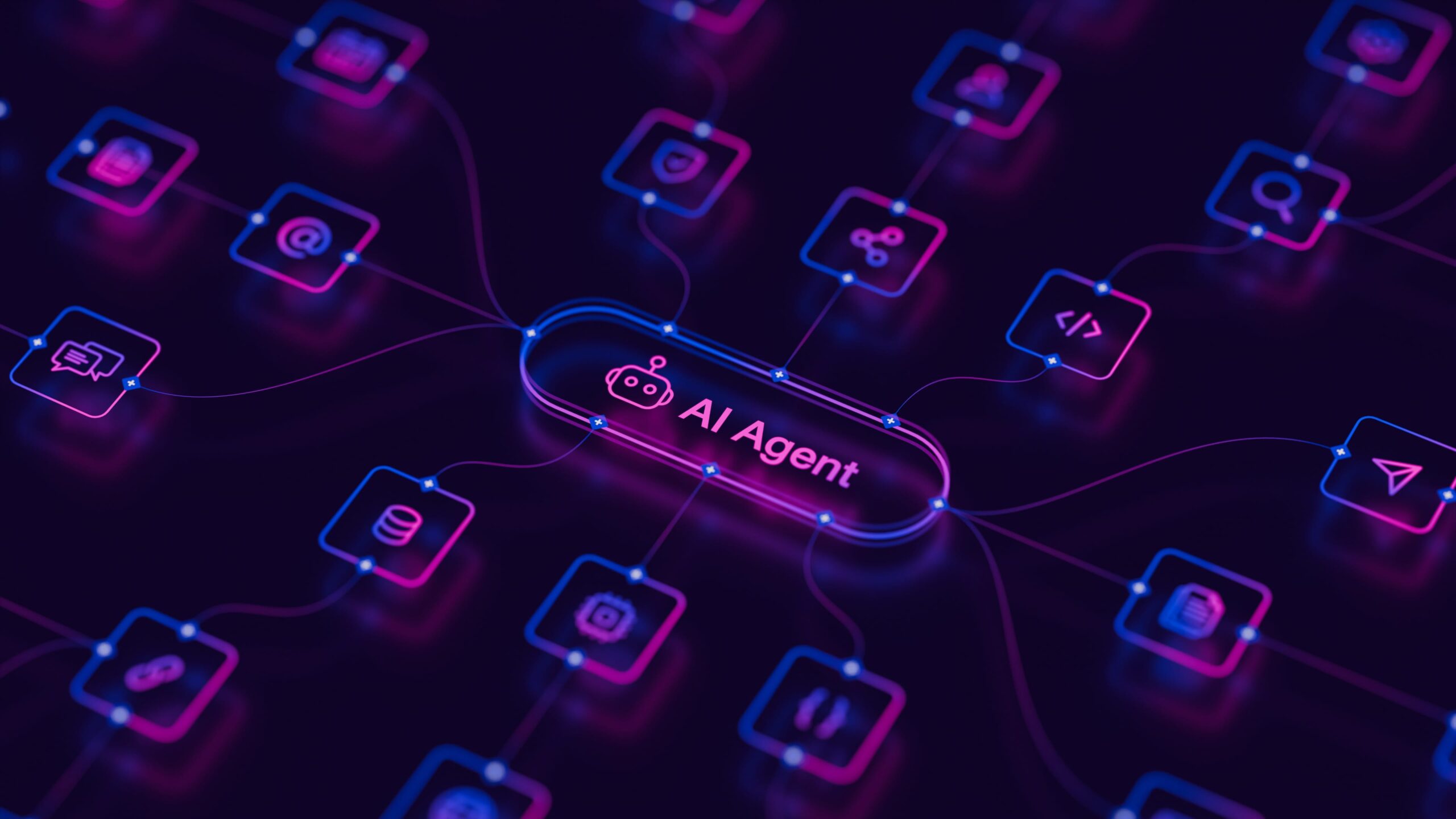
What are the possibilities of AI as economic agents and their attendant implications for markets, organizations, and institutions?

Metanorms—rules that govern the process by which norms are interpreted, changed and enforced—enable societies to balance normative stability and adaptability through their dispute resolution institutions.

By requiring AI firms to purchase oversight from government-licensed private regulators, regulatory markets can bridge the gap between democratic accountability and technical expertise that neither command-and-control regulation nor industry self-governance can close alone.
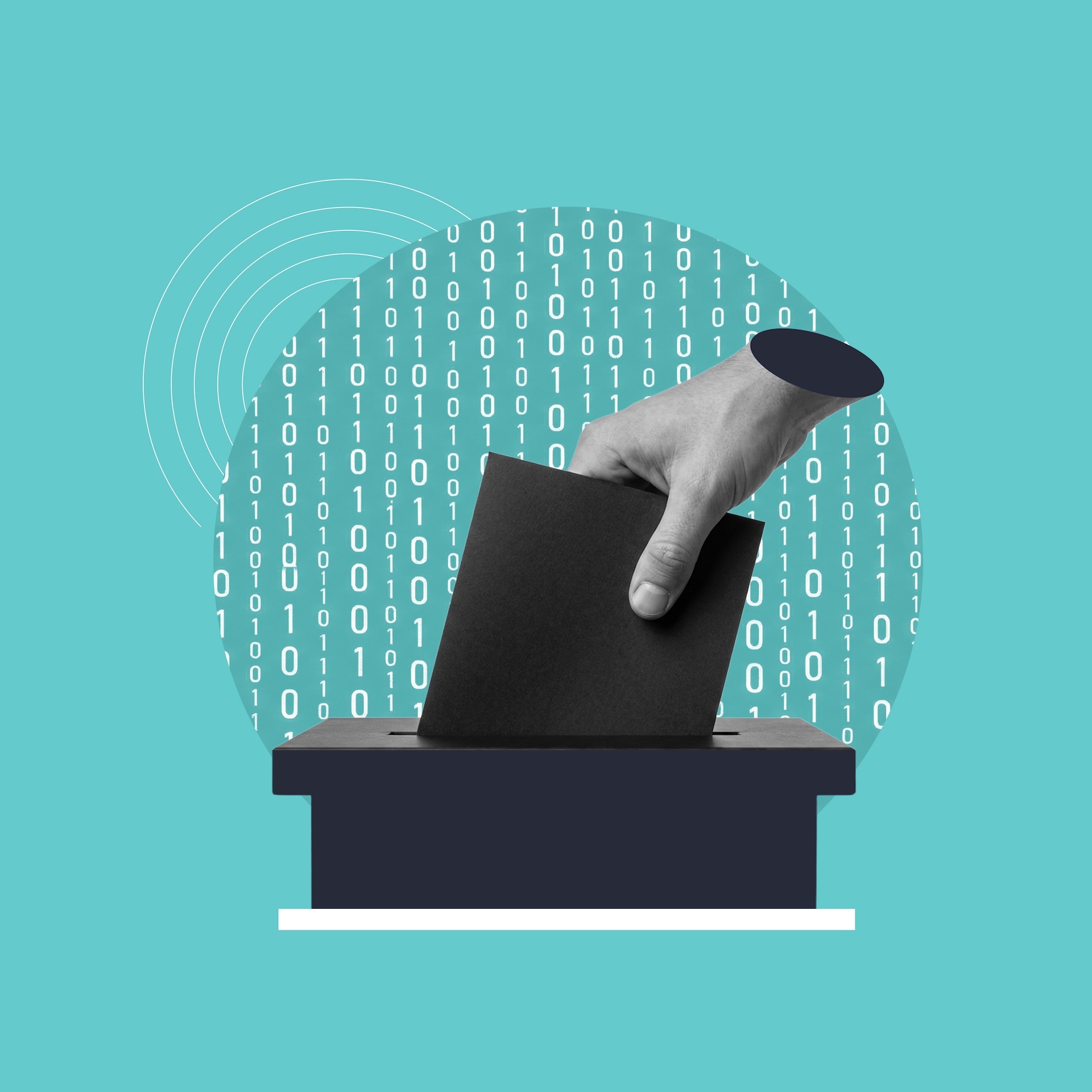
Advanced AI capable of generating humanlike content poses serious challenges to democratic knowledge, elections, and foundational principles—but also opens genuinely new possibilities for strengthening public discourse and civic participation.

Democracies are weaker than they have been for decades. A great wave is coming, and they are ill-prepared. AI agents may be cure as well as cause, but we cannot depend on them, nor can we simply trust that they will advance democratic values by default.

Centralization of economic power can lead to centralization of political power and dampen incentives to invest in human capital.
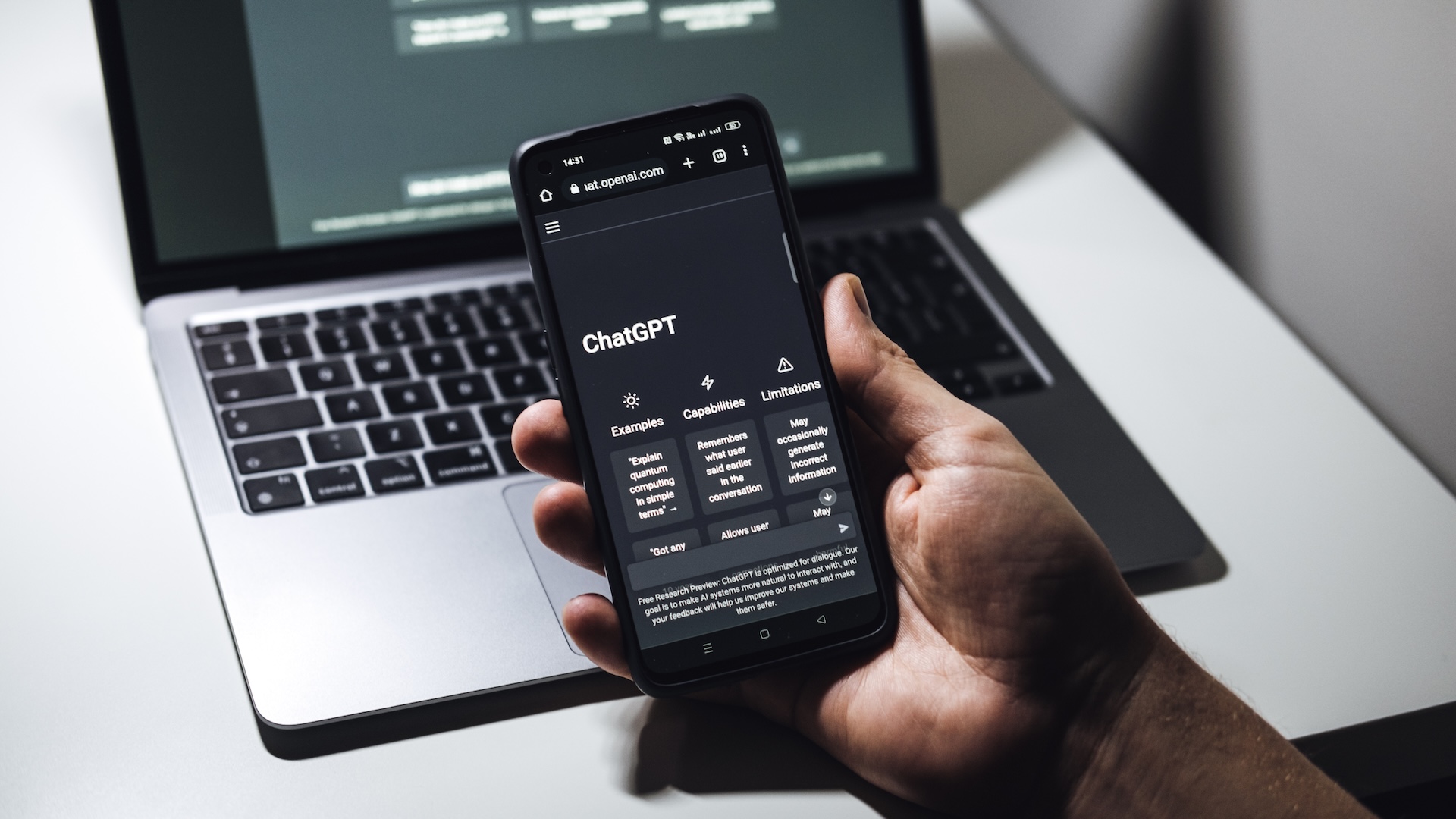
ChatGPT provides economic value through decision support, which is especially important in knowledge-intensive jobs.

We should promote agent advocates: user-controlled agents that safeguard individual autonomy and choice.

Much research on making agents useful and safe focuses on directly modifying their behaviour, such as by training them to follow user instructions. Direct behavioural modifications are useful, but do not fully address how heterogeneous agents will interact with each other and other actors. Rather, we will need external protocols and systems to shape such interactions.