
-
Hopkins Bloomberg Center
Washington, DC
- Ph.D. Political Science, Stanford University
- B.A. Social Studies, Wesleyan University
William Howell is inaugural Dean of the School of Government and Policy at Johns Hopkins University, where he also holds an appointment in the Department of Political Science. William has written widely on separation-of-powers issues and American political institutions, especially the presidency. He currently is working on research projects on separation of powers issues, the institutional foundations of effective government, and emergent threats to democracy.
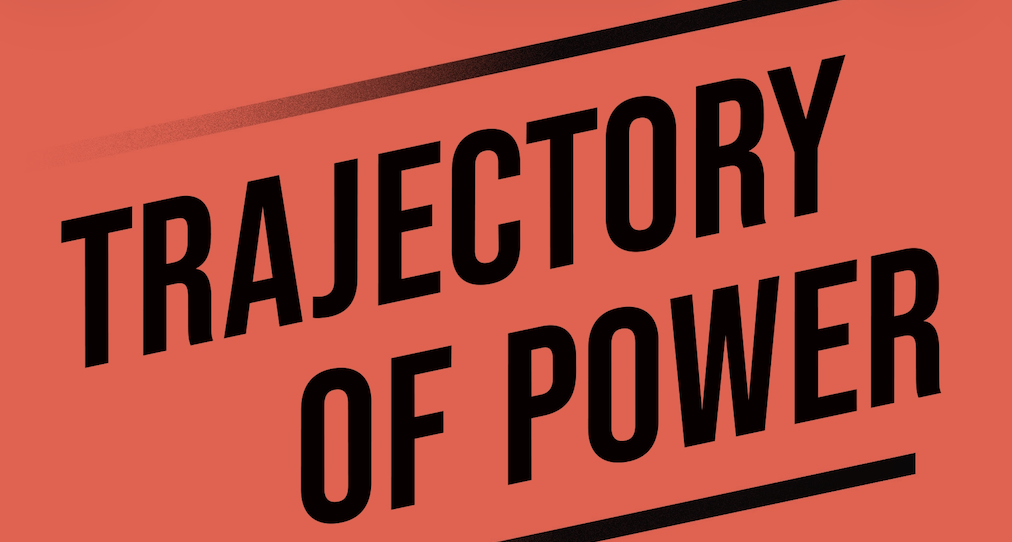
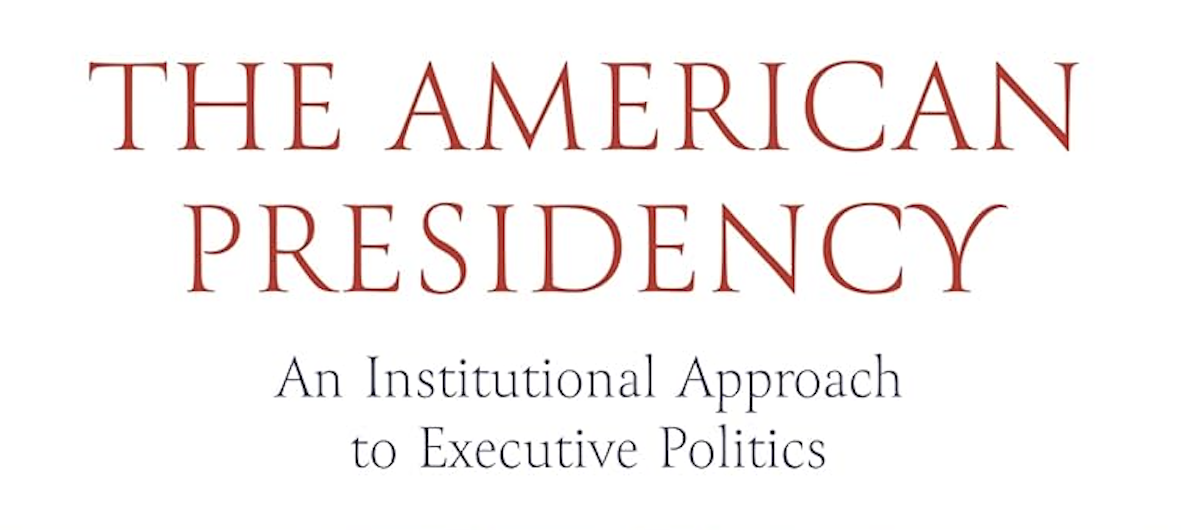
William’s most recent book (with Terry Moe) is Trajectory of Power: The Rise of the Strongman Presidency (Princeton University Press, 2025). He also is the author or co-author of numerous other books, including: Presidents, Populism, and the Crisis of Democracy (University of Chicago Press, 2020); Relic: How the Constitution Undermines Effective Government–And Why We Need a More Powerful Presidency (Basic Books, 2016); The Wartime President: Executive Influence and the Nationalizing Politics of Threat (University of Chicago Press, 2013); Thinking About the Presidency: The Primacy of Power (Princeton University Press, 2013); While Dangers Gather: Congressional Checks on Presidential War Powers (Princeton University Press, 2007); Power without Persuasion: The Politics of Direct Presidential Action (Princeton University Press, 2003); The Education Gap: Vouchers and Urban Schools (Brookings Institution Press, 2002); and textbooks on the American presidency and American politics. His research also has appeared in numerous professional journals and edited volumes.
William is a member of the American Academy of Arts and Sciences, a member of the American Academy of Sciences and Letters, a 2023 Guggenheim Fellow, and a former fellow at the Center for Advanced Studies in the Behavioral Sciences at Stanford University. He is the recipient, among other academic awards, of the Legacy Award for enduring research on executive politics, the William H. Riker Prize in Political Science for the best book in political economy, the D.B. Hardeman Prize for the best book on Congress, the Richard E. Neustadt Book Prize for the best book on the American presidency, and the E.E. Schattschneider Award for the best dissertation in American politics. His work has been supported by such foundations as the National Science Foundation, the Smith Richardson Foundation, the John Simon Guggenheim Foundation, the Democracy Fund, the MacArthur Foundation, and the Bradley Foundation. He has written for a wide variety of media outlets, including The Boston Review, Prospect Magazine, The Wall Street Journal, Foreign Affairs, Foreign Policy, and Education Next.
Before coming to Johns Hopkins, William was a faculty member in the Harris School of Public Policy and department of political science at the University of Chicago, the government department at Harvard University, and the political science department at the University of Wisconsin. In 2000, he received a Ph.D. in political science from Stanford University.