Models — often falling under the category of “structural” or “systemic” injustice — turn out to be surprisingly useful in explaining why so few conservatives are present among elite university faculties.

Johns Hopkins UniversityEst. 1876
America’s First Research University

Models — often falling under the category of “structural” or “systemic” injustice — turn out to be surprisingly useful in explaining why so few conservatives are present among elite university faculties.

Oversight expertise is generally not sufficiently valuable outside of Congress to entice many staffers to acquire it without subsidies.

This paper sheds light on the role of competition between ideologically-aligned movement organizations, as well as how contingency and choice influence movement ecosystems.
Changes in the filibuster did not significantly alter the volume of speeches or time devoted to congressional debate. Where differences are observed, they usually indicate that the filibuster detracts from, rather than bolsters, public discussion on the floors of Congress.
The United States is not special, and our democracy can die for the same reasons that other democracies die. Our guardrails have been breached. And the strongman presidency leads the charge.
Modest authority claims in one period yield opportunities for more substantial claims in the next. The result is an often persistent accumulation of executive authority and a degradation of judicial checks on presidential power.
How institutions shape the American presidency
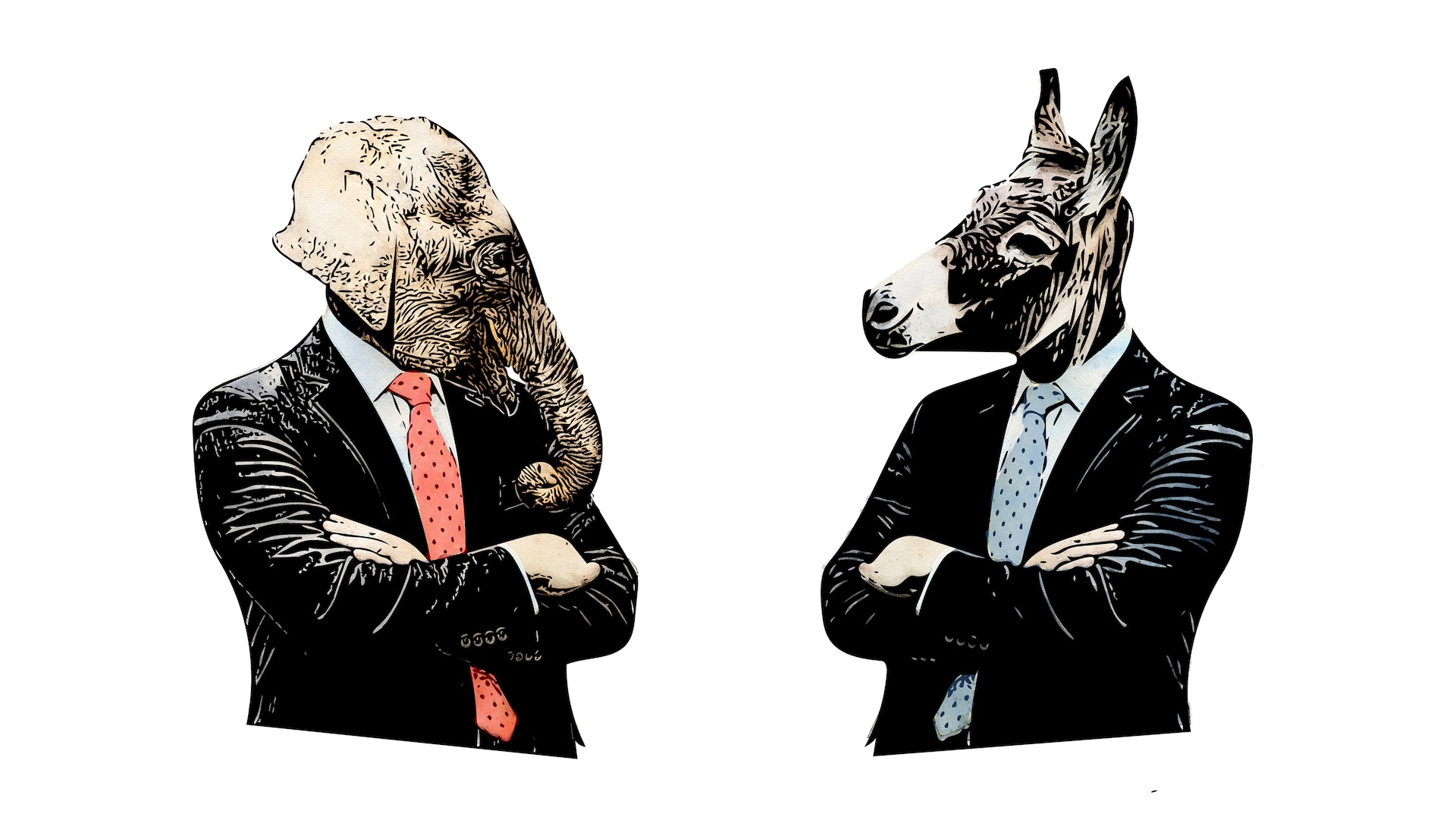
Political discourse is not invariably polarizing. When informed about their own party’s views and when evaluating policy in continuous terms, partisans openly consider the positions taken by the other side. Even in this moment of political distrust and division, exposure to the views of opposing parties can serve as a force for political moderation.

Scholars and judges alike will only succeed in creating a clear and workable administrative law jurisprudence when they accept and embrace the interpretive foundations of arbitrary or capricious review.
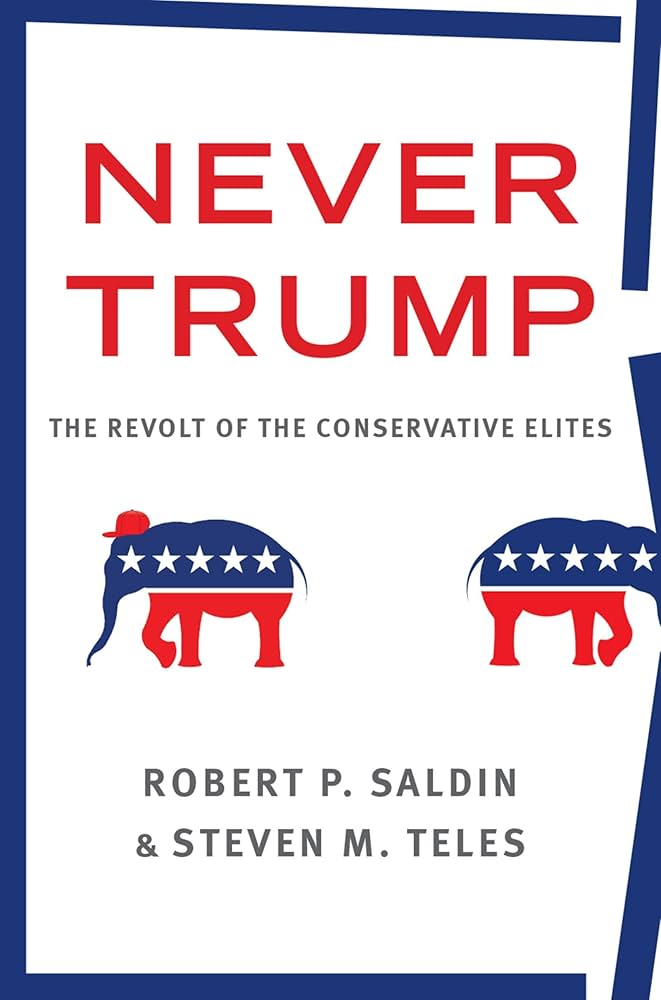
Never Trump provides a window into the motivations of these conservative professionals and a guide to the long-term consequences that their unprecedented revolt holds for the Republican and Democratic parties, conservatism, and American democracy.